If you only picture Virginia Beach as the boardwalk, you are missing most of what day-to-day life here actually feels like. For many buyers and relocators, the bigger question is not where to grab oceanfront dinner once, but where your weekly errands, commute, parks, and favorite local routines will happen. This guide will help you understand how residents enjoy Virginia Beach beyond the resort strip, so you can think about the city the way a local does. Let’s dive in.
Virginia Beach Is Bigger Than the Oceanfront
Virginia Beach is a large city with about 453,737 residents as of July 1, 2025. The boardwalk and Oceanfront are important parts of the city’s identity, but they are only one piece of how people live here every day.
The city’s planning framework breaks Virginia Beach into Coastal, Inland, Courthouse, and Rural context areas. In simple terms, that means your experience can vary a lot depending on whether you want shoreline access, established inland neighborhoods, activity near shopping and job centers, or a quieter setting farther south.
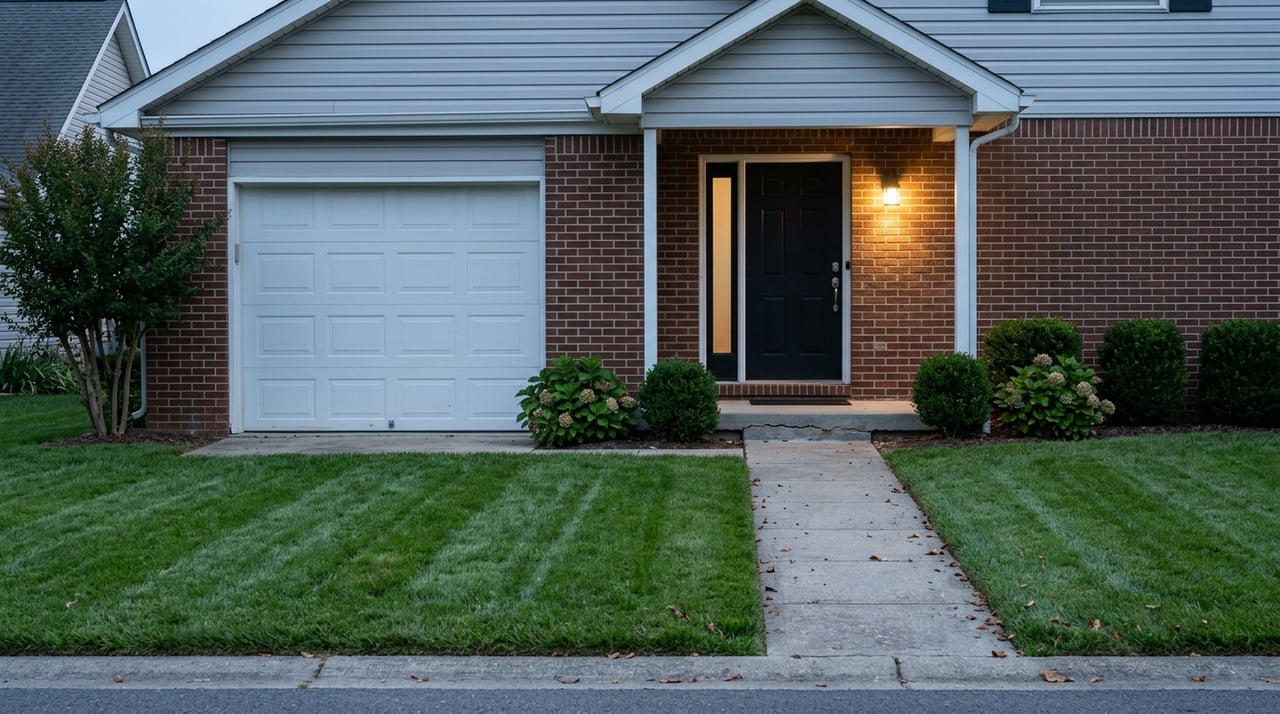
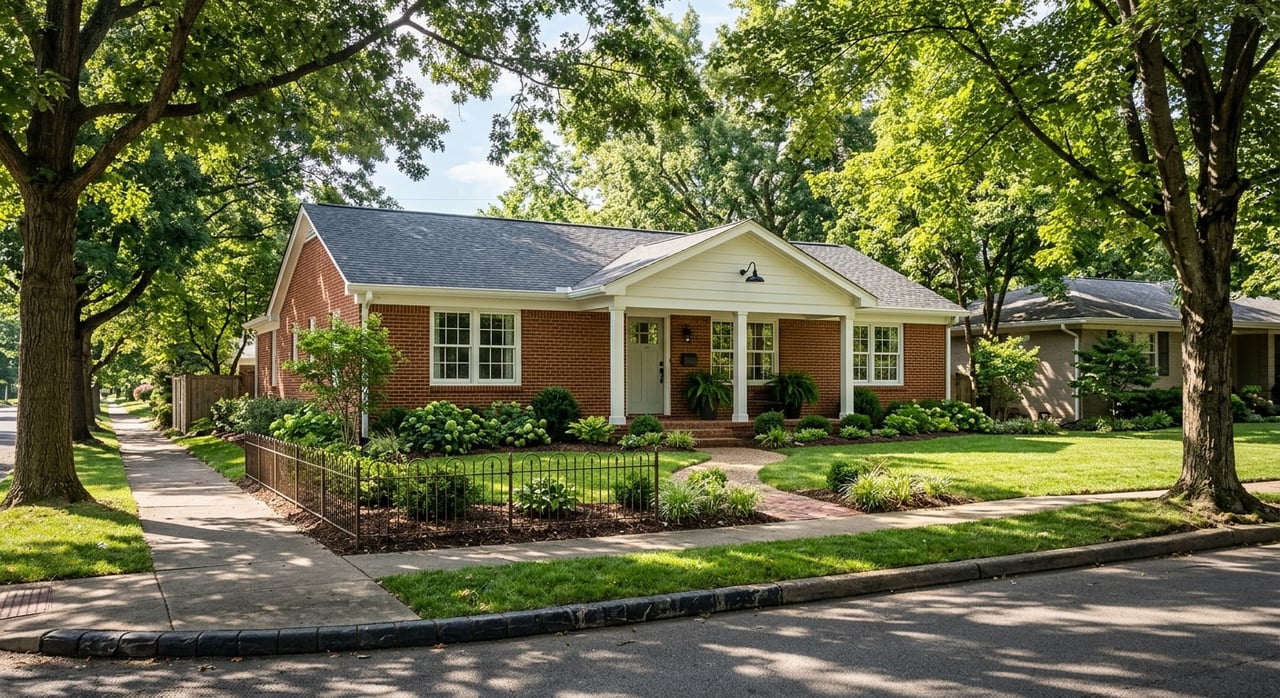
That variety also shows up in housing. City planning and housing data show a mix of single-family homes, attached homes, apartments, and coastal housing types, with more than half of housing units being single-family detached. If you are moving to Virginia Beach, that range gives you more than one version of the local lifestyle to choose from.
Daily Life Happens in Neighborhood Hubs
For most residents, everyday convenience matters just as much as scenic views. Virginia Beach has several practical hubs where people shop, dine, meet friends, and handle weekly errands without going anywhere near the boardwalk.
Town Center and Pembroke Square
Town Center and Pembroke Square form one of the city’s main non-beach activity centers, about 11 miles west of the Oceanfront. This area is a major spot for shopping, dining, and entertainment, and it often appeals to people who want a more central routine.
If you like having services, restaurants, and activity in one area, this part of Virginia Beach may feel more useful for daily life than the resort district. It can also be a strong reference point when you are comparing nearby neighborhoods and commute patterns.
Hilltop, Red Mill, Lynnhaven, and Landstown
Other local nodes like Hilltop, Red Mill Commons, Lynnhaven Mall, and Landstown Commons play a different role. They are less about tourism and more about repeat visits, errands, and convenience.
That matters when you are deciding where to live. A home that puts you close to the places you will actually use every week can shape your lifestyle as much as beach access does.
Virginia Beach Farmers Market
The Virginia Beach Farmers Market adds another layer to local living. It includes produce, plants, flowers, home and garden gifts, a creamery, a seafood market, a butcher shop, and special events throughout the year.
For many residents, places like this create routine and connection. Instead of thinking only about attractions, it helps to think about where your Saturday morning habits might take shape.
Arts and Culture Go Beyond the Shore
Virginia Beach also has a creative side that many out-of-area buyers do not realize. The ViBe Creative District, established in 2015, is the city’s first arts-and-culture district and brings together artists, museums, restaurants, creative businesses, and recurring events.
If you want local energy without the same feel as the boardwalk, this district offers a different kind of experience. It shows that Virginia Beach is not just about sand and seasonal activity. It also supports year-round creative and community life.
Outdoor Life Is Everywhere
One of the strongest parts of the Virginia Beach lifestyle is that outdoor recreation is spread across the city. The city has more than 200 parks and park facilities across more than 7,000 acres, along with over 300 miles of bikeways and trails.
That means your outdoor routine can be flexible. You might spend one day at the beach, another on a trail, and another at a neighborhood park close to home.
Beaches Beyond the Boardwalk
The public beach system includes much more than the Oceanfront image most people know. The North End offers Atlantic beaches along the surf, Croatan is known as a favorite for surfers and families, Chesapeake Bay beaches offer gentler waves, and Sandbridge and Little Island provide a quieter south-end option.
Sandbridge and Little Island also include features like parking, restrooms, picnic areas, showers, and access facilities. If your ideal beach day is quieter and more routine than high-energy, these areas may better match what you want from coastal living.
First Landing State Park
First Landing State Park is one of the city’s signature outdoor assets. It includes 2,888 acres, 1.5 miles of Chesapeake Bay beachfront, about 20 miles of trails, plus cabins, yurts, and campgrounds.
For residents, that mix is important. It shows how Virginia Beach combines coastal access with forested trails and nature-focused recreation that can fit into life year-round, not just during peak beach season.
Back Bay and False Cape
If you want a more conservation-oriented experience, the farther-south natural areas feel very different from the resort core. Back Bay National Wildlife Refuge supports hiking, biking, wildlife watching, shell collecting, and beach access, though its beach does not allow swimming, surfing, or sunbathing.
False Cape State Park, near the North Carolina border, continues that quieter, more remote feel. These places can appeal to buyers who want access to protected landscapes and a slower outdoor rhythm.
Favorite Parks for Everyday Use
Several inland and bay-adjacent parks also help define local life. Mount Trashmore is known for its hills and lakes, Bayville Farms includes a dog park and disc golf, Great Neck Park sits along Lynnhaven Bay, and City View Park offers shaded trails and fields near Kempsville.
Red Wing Park is known for gardens, Pleasure House Point offers trails in a natural area, Munden Point sits on the North Landing River, and Williams Farm includes a skate park and a nearby recreation center. These are the kinds of places that often shape your week more than a vacation-style destination ever could.
Recreation Centers Support Year-Round Routine
Virginia Beach operates seven recreation centers in Bayside, Bow Creek, Great Neck, Kempsville, Princess Anne, Seatack, and Williams Farm. These centers matter because daily life often revolves around practical amenities like fitness space, swimming, programs, and indoor gathering areas.
If you are relocating, this is worth paying attention to. A nearby recreation center can be part of how you build your routine, especially if you value convenience and options beyond outdoor spaces.
Commutes Depend on Which Part of the City You Choose
Lifestyle is not just about amenities. It is also about how easily you can move through your day.
Census data shows a mean commute of 23.4 minutes in Virginia Beach. At the same time, local planning and housing documents suggest that commute feel varies by geography more than one citywide number can show.
Coastal and Bayfront Feel
Coastal and Bayfront areas tend to have the strongest access to beach routes, trails, and seasonal transit service. If you value biking, nearby shoreline access, or local circulation options around popular waterfront areas, these parts of the city may stand out.
The city’s transit network includes HRT fixed routes, MAX Express routes, and seasonal services connecting places like Town Center, the Oceanfront, and the Municipal Center. In the beach area, the VB Wave system adds very local service such as the Atlantic Avenue Shuttle, the Aquarium and Campground Shuttle, and the Bayfront Shuttle along Shore Drive and the North End.
Inland Convenience Feel
Inland neighborhoods around Town Center, Kempsville, and other growth areas often revolve more around shopping centers, employment corridors, and established residential patterns. For many buyers, this can translate into a practical, convenience-focused lifestyle.
If your priority is quick access to errands, work, and daily services, inland Virginia Beach may offer the rhythm you want. It can also broaden your housing options depending on your price point and preferred home style.
Southern and Rural Feel
Southern areas such as Sandbridge and Pungo feel more spread out and car-dependent. That is tied to the city’s preserved rural context area, which supports agricultural and conservation uses, including Back Bay and False Cape.
For some buyers, that extra space and separation is the point. For others, it may feel less convenient for daily errands or commuting. The key is making sure the setting matches how you actually live.
Housing Choice Shapes Lifestyle
Where you live in Virginia Beach affects more than your address. It shapes your pace, your errands, your outdoor habits, and how often you drive.
The city’s place-type system helps explain that. Type 1 neighborhoods are mostly lower-density and single-family, Type 2 areas include more townhomes and apartments, and Coastal areas mix single-family and multifamily homes that fit shoreline conditions.
A 2024 city housing study found that more than half of Virginia Beach housing units are single-family detached, about one-fifth are single-family attached, and nearly 60% of rental units are in multifamily structures. That range can be helpful whether you want a detached home, lower-maintenance living, or a starting point for relocation.
The latest Census Bureau profile also shows a median owner-occupied home value of $382,500, a median gross rent of $1,714, and an owner-occupied housing rate of 65.1%. Those numbers do not tell you everything, but they do offer useful context as you compare your options and budget.
How to Choose Your Best Virginia Beach Lifestyle
If you are considering a move, it helps to think beyond the postcard version of the city. Start by asking yourself a few practical questions:
- Do you want beach access to be part of your weekly routine or just an occasional bonus?
- Would you rather live near shopping and dining hubs like Town Center, Hilltop, or Red Mill Commons?
- How important are trails, parks, or recreation centers to your everyday schedule?
- Do you want a more connected setting, or do you prefer a quieter area with more separation?
- How much driving feels normal for the life you want here?
When you answer those questions honestly, your search usually gets much clearer. The right fit in Virginia Beach is often less about chasing the most famous area and more about matching your home base to your real routine.
If you want help sorting through neighborhoods, commute patterns, and housing options in Virginia Beach, Chris Castle Enterprises LLC can help you build a clear plan and move with confidence.
FAQs
What is daily life in Virginia Beach like beyond the boardwalk?
- Daily life often centers on neighborhood hubs, shopping areas, parks, recreation centers, and local beaches beyond the resort strip.
What are popular non-beach areas in Virginia Beach for errands and outings?
- Town Center, Pembroke Square, Hilltop, Red Mill Commons, Lynnhaven Mall, Landstown Commons, and the Virginia Beach Farmers Market are key everyday destinations.
What outdoor options do Virginia Beach residents have besides the Oceanfront?
- Residents have access to more than 200 parks and park facilities, over 300 miles of bikeways and trails, beaches across the city, First Landing State Park, Back Bay National Wildlife Refuge, and False Cape State Park.
What parts of Virginia Beach feel most different from the resort area?
- Inland areas around Town Center and Kempsville feel more convenience-focused, while southern areas like Sandbridge and Pungo feel quieter, more spread out, and more car-dependent.
What types of homes are common in Virginia Beach?
- Virginia Beach includes many single-family detached homes, along with attached homes, apartments, and coastal housing types depending on the area.
Is Virginia Beach only a beach town for tourists?
- No. Virginia Beach functions as a large residential city with varied neighborhoods, commute patterns, shopping hubs, parks, and year-round local routines.