Thinking about buying a brand-new home in Chesapeake? You are not alone. With Chesapeake continuing to grow and new communities taking shape across multiple planning areas, new construction can offer a fresh start, modern layouts, and flexible timelines, but it also comes with builder contracts, upgrade decisions, and inspection steps that many buyers do not expect. This guide will help you understand how new construction works in Chesapeake, what choices you may have, and where careful planning can protect your budget and peace of mind. Let’s dive in.
Chesapeake New Construction Overview
Chesapeake offers a different new-construction experience than a city with one central downtown. The city describes itself as a blend of rural and urban centers, with an estimated population of 253,261 as of July 2023. Because growth is spread across several planning areas, the style, lot size, and pace of development can vary a lot depending on where you look.
The city identifies ten planning areas, and several stand out for buyers considering new construction. Grassfield is noted as the newest and second-fastest growing area, Great Bridge is described as a fast-growing area with many suburban single-family subdivisions, Greenbrier is the city’s main commercial hub with newer housing that includes single-family homes, townhomes, and apartments, and Deep Creek is the largest planning area with significant growth over the past decade. For you, that means Chesapeake new homes are not one-size-fits-all.
Types of New Homes in Chesapeake
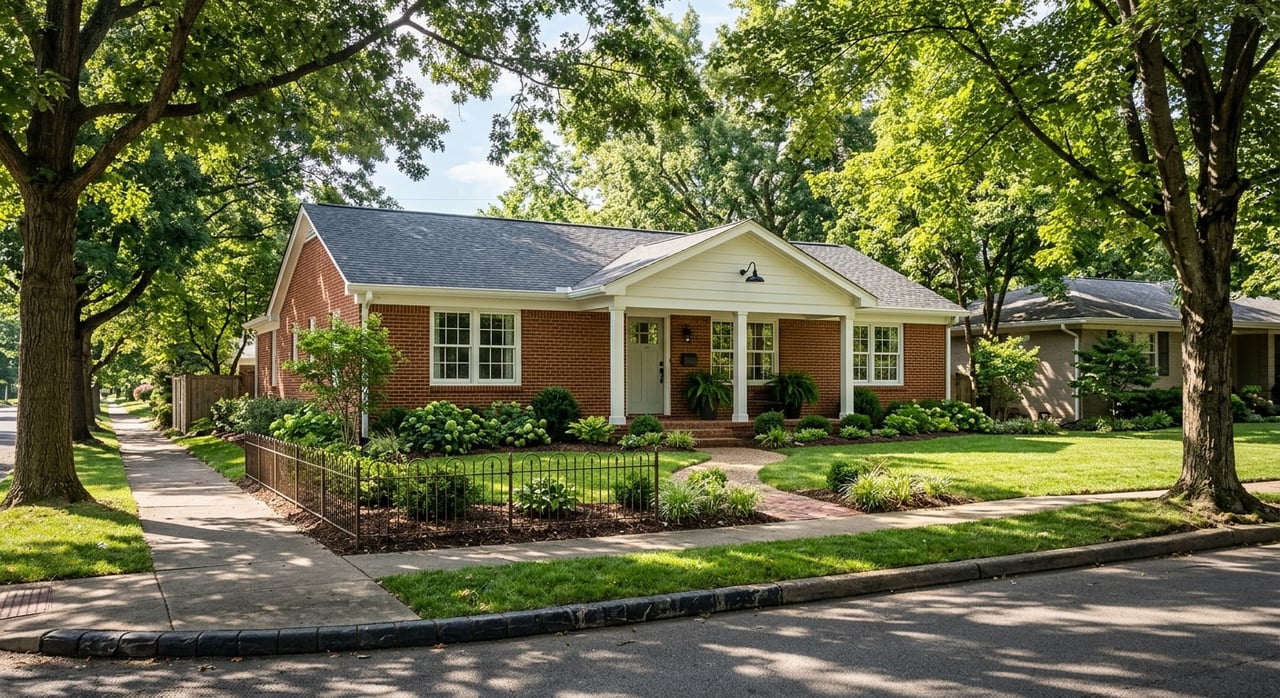
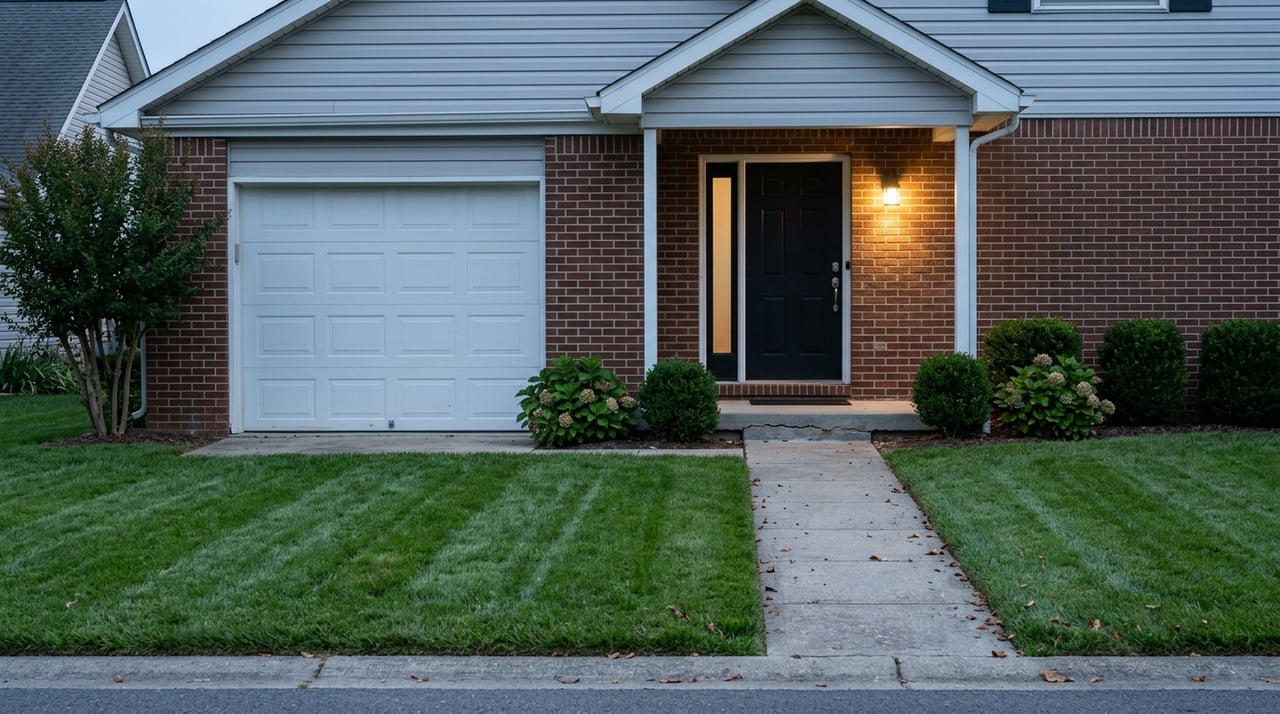
One of the biggest advantages of buying new construction in Chesapeake is range. Current builder offerings include single-family detached homes, townhomes, attached villas, condos, and active-adult product. Even communities that are only a few miles apart can feel very different in layout, density, and home style.
That variety can be helpful if you are trying to match a home to your stage of life. You may find larger homes with more bedrooms and garage space, or you may prefer a lower-maintenance option with first-floor living. The key is knowing what type of daily setup works best for you before you start touring models.
Chesapeake Builders You May See
Buyers in Chesapeake may come across both national and local or regional builders. Current examples in the market include Ryan Homes, D.R. Horton, Eastwood Homes, Virginia Builders, Wirth Development, Corinth Residential, and Kroll Residential. Each builder may offer different community sizes, floor plans, customization levels, and delivery timelines.
That builder mix matters because the buying process can feel different from one community to the next. Some builders focus on production-style communities with more standardized plans, while others promote design-center choices, move-in-ready homes, or build-on-lot opportunities. Before you fall in love with a model home, it helps to understand how that builder handles pricing, selections, and schedule changes.
Floor Plans and Features to Expect
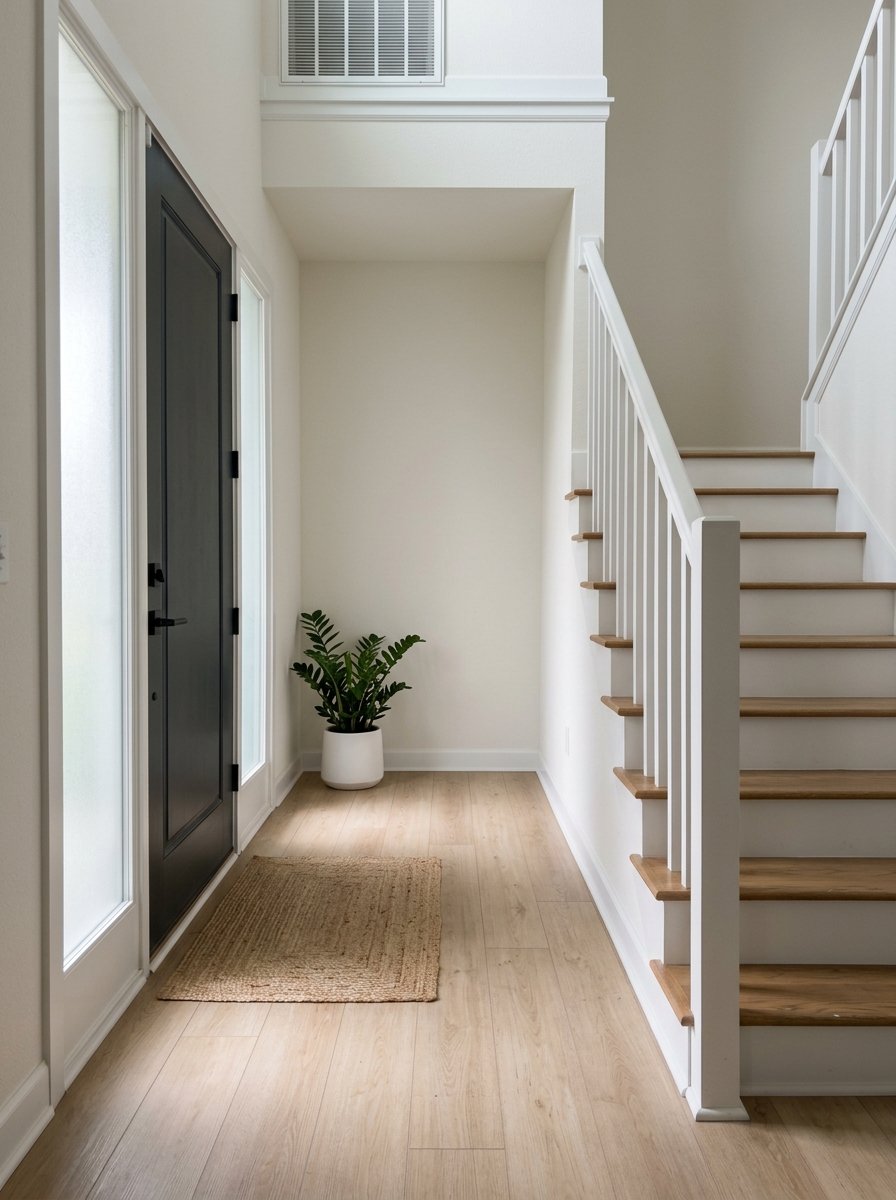
Many Chesapeake new-construction homes follow floor-plan patterns that today’s buyers already recognize. Common options include 3- to 6-bedroom layouts, 2- to 3-car garages, one-level living options, two-story plans, and homes that can exceed 3,600 square feet depending on the builder and community. Some plans also include optional third floors, first-floor flex rooms, lofts, covered porches, and in-law style spaces.
You will also see recurring design features like open-concept kitchens and flexible living areas. These layouts can work well if you want space for remote work, guests, hobbies, or a changing household setup. Still, it is smart to compare what is truly included in the base plan versus what appears in a model home with upgrades.
Quick Move-In vs To-Be-Built Homes
One of the most important choices you will make is whether to buy a quick move-in home or a to-be-built home. Chesapeake builders are currently marketing both. Some communities advertise homes that are ready now or nearly complete, while others focus on plan selections and future build slots.
A quick move-in home can make sense if you need a shorter timeline. That can be especially important for relocation buyers or households working around military orders. A to-be-built home may offer more personalization, but it can also require more patience, more decisions, and more flexibility if construction timing shifts.
How Long New Construction Takes
Many buyers assume all new homes take the same amount of time to build, but timelines can vary. A Chesapeake-area builder, Kroll Residential, says a mid-Atlantic home can take about six to seven months including pre-construction, with the build phase itself often taking four to six months. External factors can affect that schedule.
In practical terms, you should treat any timeline as an estimate rather than a guarantee. Weather, materials, labor, change orders, and municipal approvals can all affect delivery. If your move has a hard deadline, ask detailed questions early about current build stage, expected completion, and how delays are communicated.
Key Stages of the Build Process
While each builder has its own system, the general process tends to follow a familiar sequence. Kroll describes the path as a pre-construction meeting, foundation, framing, mechanical rough-ins, finishes, homeowner orientation, and then move-in. That gives you a useful framework for understanding where your home is in the process.
Selections can also shape your experience. Some Chesapeake builders advertise customizable plans or design-center choices, which can be exciting but also increase decision fatigue if you are not prepared. A clear budget and a written list of must-haves can help you avoid overspending on upgrades that do not truly matter to you.
Virginia Inspections and What They Mean
In Virginia, new construction is governed by the Virginia Uniform Statewide Building Code, and enforcement is handled by the local building inspections department. The required inspections include footing excavations, foundation systems, structural members and fasteners before concealment, electrical, mechanical, and plumbing materials before concealment, energy-conservation materials before concealment, and a final inspection before occupancy.
That official process is important, but it is not the same as having your own inspector. Code inspections are designed to enforce code requirements. They are not a substitute for an independent inspection focused on the home from your point of view as the buyer.
Why Independent Inspections Still Matter
Even with code-required inspections, an independent inspection can add another layer of protection. ASHI explains that code inspectors enforce code, not necessarily best practices, and recommends involving an experienced home inspector during construction or before closing on a newly built home. InterNACHI also supports pre-drywall inspections because they can review visible framing, plumbing, electrical, HVAC, and other components before those areas are covered.
A pre-drywall inspection is especially valuable because it happens after major systems are in place but before drywall hides the work. That gives you a chance to catch concerns while they are still easier to review and address. It is also wise to consider a pre-closing inspection and another check before warranty periods expire.
Builder Contracts and Deposits
New-construction contracts are very different from many resale transactions. Builders often use their own contract forms, option sheets, timelines, and addenda. That means you should read carefully and ask questions about deadlines, cancellation terms, construction changes, and what happens if materials or features shift during the process.
The CFPB notes that builders may request deposits upfront, and buyers should ask when the deposit is refundable. The same guidance says builders often work with an affiliated lender, but you do not have to use that lender. You can also shop for other closing-service providers, which can help you compare costs and terms.
Why Your Own Agent Matters
One of the most misunderstood parts of buying new construction is representation. The on-site builder salesperson represents the builder, not you. According to NAR, a buyer’s representative works in the buyer’s best interest, while the seller’s representative owes fiduciary duties to the seller.
That difference matters in real life. An independent buyer’s agent can help you confirm lot premiums, upgrade pricing, deadlines, change-order terms, and what is included in the base price. Since builder websites also note that prices, plans, components, and specifications can change without notice, having strong advocacy and careful written confirmation can help you avoid expensive surprises.
Warranties Are Not All the Same
Many buyers assume all builder warranties follow the same structure, but warranty coverage can vary by company. For example, Virginia Builders advertises a 10-year limited warranty through Quality Builders Warranty, while D.R. Horton’s warranty guidelines outline one-year workmanship and materials coverage, two-year coverage for certain systems, and ten-year coverage for major structural defects.
That means you should review warranty documents closely before closing. You should also keep a running list of any issues you notice after move-in so you can report them within the applicable warranty periods. A warranty is helpful, but it works best when you understand what it covers and what steps you need to take.
Smart Tips for Chesapeake Buyers
If you want a smoother new-construction experience in Chesapeake, focus on the details that affect cost, timing, and protection.
- Compare quick move-in homes and to-be-built homes based on your actual timeline.
- Ask for written confirmation of upgrades, allowances, lot premiums, and included features.
- Review deposit terms carefully, including when money is refundable.
- Shop lenders and closing-service providers instead of assuming the builder’s partners are your only option.
- Schedule independent inspections, including a pre-drywall inspection when possible.
- Review builder warranty coverage before you close.
- Keep your budget flexible enough for upgrades, closing costs, and moving expenses.
Final Thoughts on Buying New Construction
Buying a new-construction home in Chesapeake can be a great opportunity if you want modern layouts, newer systems, and options that fit your timeline and lifestyle. The biggest advantage is choice, from larger single-family homes to lower-maintenance townhomes and quick move-in inventory. The biggest risk is assuming the process will be simple just because the home is brand new.
When you go in with a clear plan, strong representation, and careful attention to inspections, contract terms, and warranty details, you put yourself in a much better position to make a smart move. If you are weighing Chesapeake new homes and want clear advice, fast answers, and strong advocacy from the start, contact Chris Castle Enterprises LLC to schedule a free consultation.
FAQs
Do I need my own agent for a new construction home in Chesapeake?
- Yes. The on-site builder salesperson represents the builder, while a buyer’s representative works in your best interest.
Can I use my own lender for a Chesapeake new construction purchase?
- Yes. The CFPB says you do not have to use the builder’s affiliated lender, and you can also shop for other closing-service providers.
Should I get an inspection on a brand-new home in Chesapeake?
- Yes. Virginia code inspections and an independent buyer inspection serve different purposes, and pre-drywall inspections can be especially useful.
How long does it take to build a new home in Chesapeake?
- It varies, but a Chesapeake-area builder says a mid-Atlantic home can take about six to seven months including pre-construction, with the build phase often lasting four to six months.
What types of new construction homes are available in Chesapeake?
- Current builder offerings in Chesapeake include single-family homes, townhomes, attached villas, condos, and active-adult product.
What should I ask about builder warranties in Chesapeake?
- Ask what is covered, how long each coverage period lasts, how claims are handled, and whether you should schedule an inspection before warranty periods expire.