Wondering what daily life in Chesapeake actually feels like once the boxes are unpacked? If you are weighing a move here, the answer is not one-size-fits-all. Chesapeake blends suburban convenience, rural open space, and a strong outdoor culture, which means your routine can look very different depending on where you land. This guide will help you understand how people live, commute, run errands, and enjoy the outdoors in Chesapeake. Let’s dive in.
What Everyday Life Feels Like
Chesapeake had an estimated 254,997 residents in 2024, but the city does not live like one uniform place. Its planning framework divides Chesapeake into ten planning areas, along with urban, suburban, and rural overlays. That structure helps explain why one part of the city may feel more built-up and convenience-focused, while another feels more open and quiet.
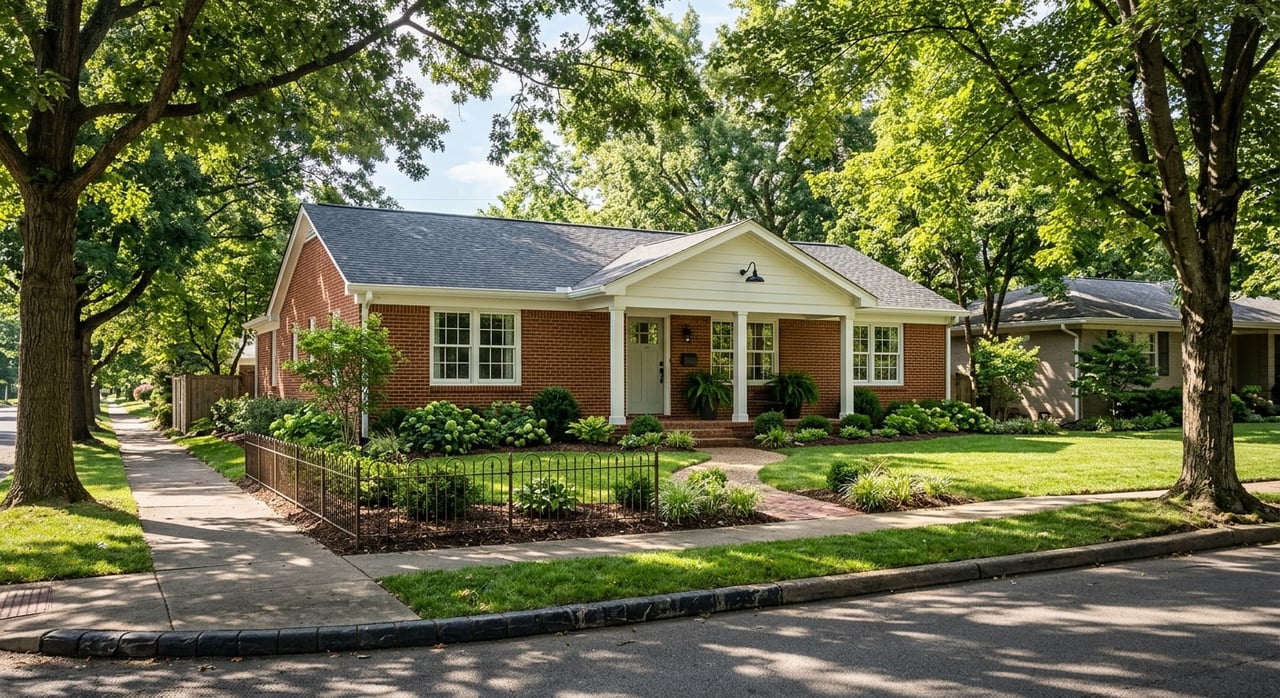
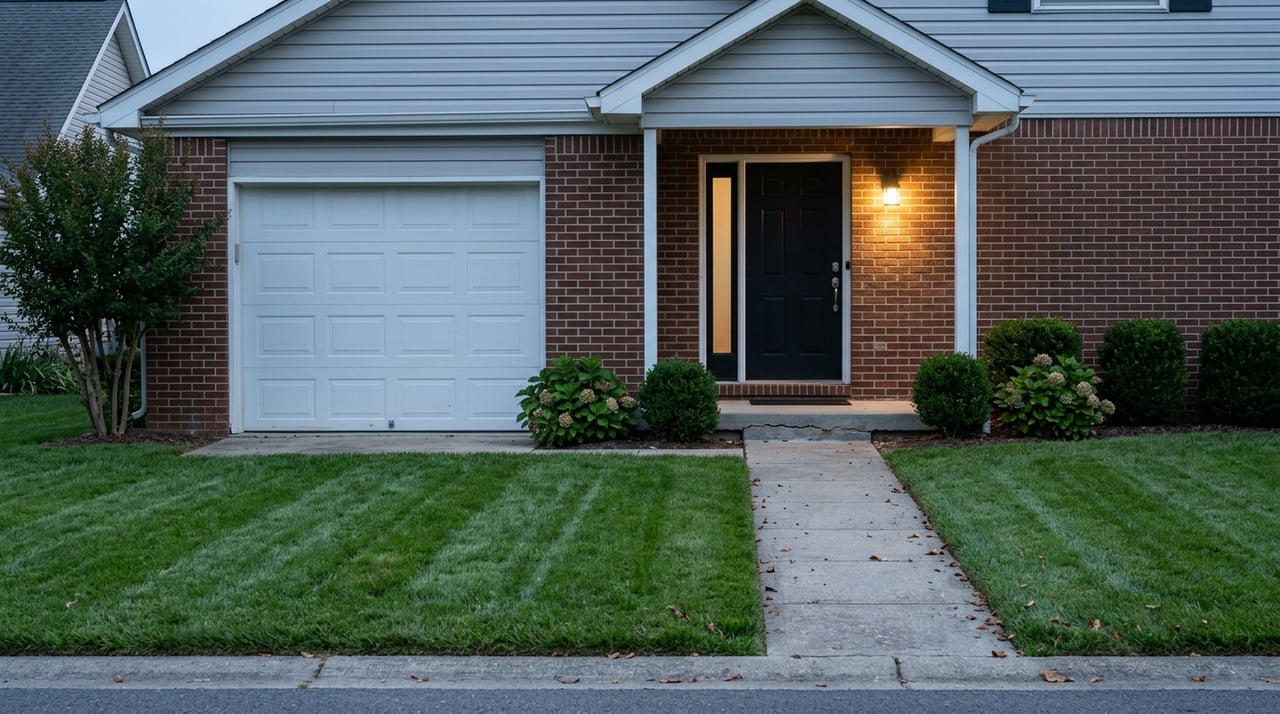
For many buyers, the biggest theme is space. Chesapeake’s suburban areas are built around mostly single-family neighborhoods, some townhomes and duplexes, nearby parks and open space, and stores that are generally easiest to reach by car. In rural parts of the city, the pattern shifts toward active farming, very low-density housing, and conservation land.
That mix gives Chesapeake a lifestyle that feels more spread out than some nearby Hampton Roads cities. If you want room to breathe, neighborhood-based routines, and easier access to outdoor recreation, Chesapeake often stands out. At the same time, you still stay connected to major regional job centers and daily services.
Why Chesapeake Feels More Space-Oriented
One useful signal is homeownership. Chesapeake’s owner-occupied housing rate is 74.4 percent, compared with 46.3 percent in Norfolk and 65.1 percent in Virginia Beach. That helps explain why Chesapeake often feels more centered on long-term homeownership and residential space.
In practical terms, that can translate to larger lots in some areas, more single-family housing, and a daily rhythm that revolves around home, errands, parks, and commuting by car. It also helps explain why many relocation buyers look at Chesapeake when they want a more suburban housing profile without leaving Hampton Roads behind.
Getting Around Chesapeake
Chesapeake is largely a car-first city. The city’s planning language notes that most trips are taken by personal vehicle, even while walking, biking, and transit are encouraged for select trips. If you move here, you should expect driving to be part of your normal routine.
The good news is that the road network supports that pattern well. The city reports a mean commute time to work of 25.8 minutes, which gives you a helpful baseline for daily travel. Of course, your exact commute will depend on where you live and where you work, but the overall system is designed to connect a spread-out population.
Major Roads That Shape Daily Routines
The Chesapeake Transportation System includes the Chesapeake Expressway and Dominion Boulevard. The Expressway is a 16-mile, four-lane divided highway that links I-64 to North Carolina and the Outer Banks. Dominion Boulevard connects North Carolina to I-64 and I-464, while the I-64 High Rise Bridge crosses the Southern Branch of the Elizabeth River.
These routes matter because they support more than long-distance travel. They also shape school drop-offs, shopping runs, and work commutes. The city notes that the Expressway was created in part to relieve congestion on Battlefield Boulevard, and it remains a major mobility corridor today.
Public Transit and Other Options
Transit is available in Chesapeake, but it works more as a support system than the primary way most people get around. Hampton Roads Transit says eight local routes operate in Chesapeake. HRT also expanded OnDemand ridesharing to Chesapeake in 2026 for areas with limited fixed-route bus service.
If you rely on transit for some trips, that may be helpful. Still, most buyers should plan for a driving-based routine, especially if they want flexibility across different parts of the city.
Where People Run Errands
Because Chesapeake is large and varied, errands tend to cluster around certain planning areas. Knowing those hubs can help you match your preferred lifestyle to the right part of the city. Some buyers want easy access to major shopping, while others prefer a quieter setting and do not mind driving farther for larger retail trips.
Greenbrier
Greenbrier is the city’s main commercial hub and largest employment center. It includes big-box retailers, restaurants, shopping, offices, and newer housing nearby. If you want a more convenience-driven routine with many daily needs in one general area, Greenbrier is one of the first places people consider.
Great Bridge
Great Bridge includes numerous small-scale commercial areas and shopping centers, along with the municipal center. The area combines suburban residential patterns with convenient everyday services, which can appeal to buyers who want a neighborhood feel without giving up access to essentials.
Western Branch
Western Branch blends suburban neighborhoods, commercial development, and big-box retail along Portsmouth Boulevard. Chesapeake Square Mall and Shopping Center are part of that retail picture. For buyers who want a mix of housing and shopping access, Western Branch often stays on the shortlist.
Outdoor Living Is Part of the Lifestyle
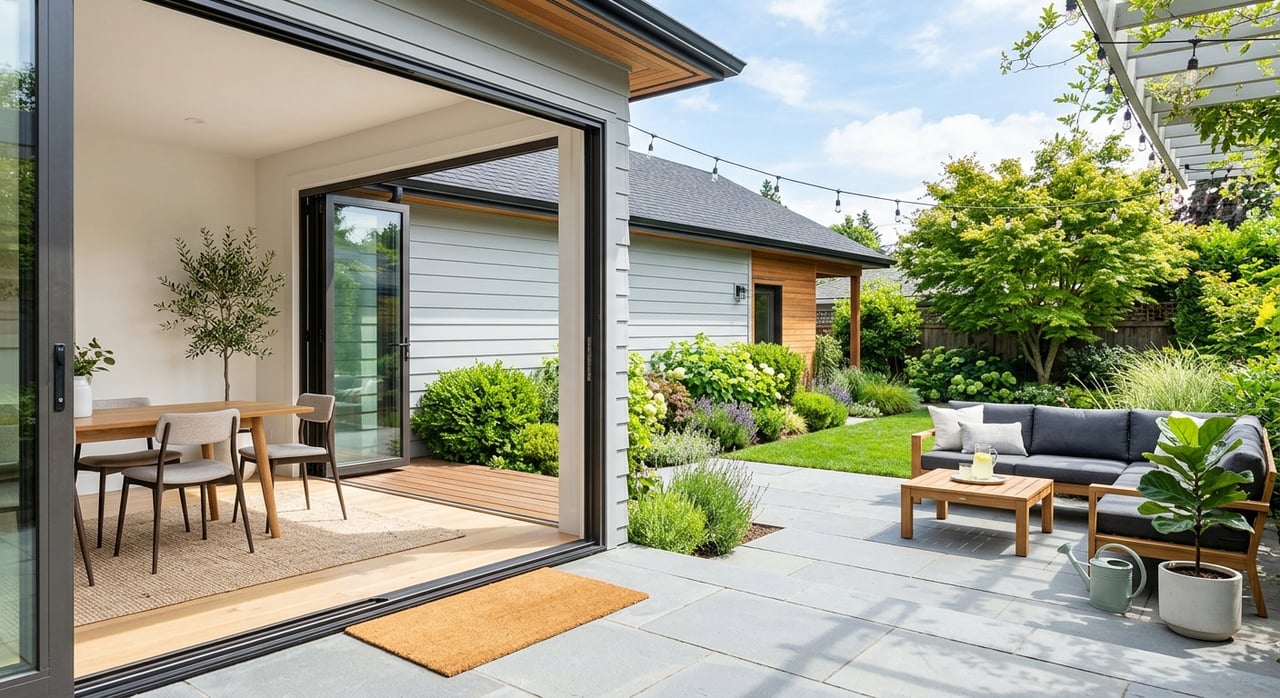
One of Chesapeake’s biggest strengths is how easy it is to build outdoor time into everyday life. The city offers 80 public parks, and official visitor material says you can hike and bike across a combined 31 miles of open multi-use trails. That means outdoor recreation is not just a weekend event here. For many residents, it is part of the weekly routine.
Whether you like walking, biking, paddling, boating, or simply spending time near the water, Chesapeake gives you options across the city. That matters for relocation buyers who want more than just square footage. It also matters for sellers, because lifestyle access is part of what makes Chesapeake appealing in the broader Hampton Roads market.
Parks and Trails to Know
Northwest River Park is the city’s largest park. It includes a 66-site campground, cabins, miniature golf, an equestrian area, eight miles of natural horse trails, and a horse ring. If you enjoy a broader range of outdoor activities, this park shows how much variety Chesapeake offers.
The Dismal Swamp Canal Trail is one of the city’s signature outdoor features. This former section of Route 17 runs 8.6 miles south from Chesapeake toward North Carolina and supports bicycling, walking, running or hiking, horseback riding, and boating. It is a strong example of how local recreation here often combines land and water access.
Chesapeake Arboretum adds another 3.5 miles of wooded hiking and walking trails. Deep Creek Park offers a 1-mile perimeter trail that connects to the Dismal Swamp Canal Trail. For many residents, these kinds of trail connections make it easier to fit movement and fresh air into a normal day.
Water Access Is a Real Everyday Amenity
In Chesapeake, water access is not just a niche feature. It is a visible part of local recreation. Great Bridge Lock Park sits on the Intracoastal Waterway and offers a boat ramp, fishing and crabbing areas, a kayak and canoe launch, and trails.
Elizabeth River Park is described by the city as one of the most active boat ramps in Hampton Roads. It also includes a fishing and crabbing pier, kayak and boat access, and waterfront paths. The city also lists canoe, kayak, or boat access at Deep Creek Lock Park, Northwest River Park, Blue Heron Landing Park, and the Dismal Swamp Canal Trail.
If your ideal day includes being on the water, Chesapeake gives you multiple ways to make that part of your routine. That is a major reason the city appeals to buyers who want a practical home base with strong recreation options close by.
Housing Patterns Across Chesapeake
Chesapeake’s housing market makes the most sense when you think of it as several submarkets rather than one uniform housing type. According to ACS data, the median owner-occupied home value is $378,400, the median gross rent is $1,586, and 74.4 percent of homes are owner-occupied. Those numbers support the broader picture of a city shaped heavily by homeownership.
The city also runs voluntary land conservation programs to preserve natural open space, rural character, and agricultural resources. That helps explain why large-lot settings and open-space surroundings remain part of the housing picture in some areas.
Planning Areas Buyers Often Compare
Greenbrier is the fastest-growing planning area, with newer housing that includes single-family homes, townhomes, and apartments. It is often considered by buyers who want a more convenience-centered routine.
Great Bridge is built around suburban single-family subdivisions, shopping centers, and civic uses. Toward the south of the planning area, development becomes more rural and lower density.
Deep Creek is Chesapeake’s largest planning area. The city describes it as having suburban neighborhoods and a strong village feel near the Great Dismal Swamp.
Western Branch combines suburban neighborhoods, retail nodes, and natural amenities. It appeals to buyers who want a blend of residential space and shopping access.
Southern Chesapeake is one of the city’s most rural areas. It includes a trend toward large tract single-family homes alongside preserved open space.
Rivercrest has a greater concentration of multifamily housing than much of the city. South Norfolk has dense gridded neighborhoods, older housing stock, and the most affordable housing in Chesapeake.
What This Means for Buyers and Sellers
If you are buying in Chesapeake, the city gives you real lifestyle choices. You can prioritize access to shopping and employment hubs, look for a more suburban neighborhood feel, or focus on larger lots and open-space surroundings. The right fit depends on how you want your everyday routine to work.
If you are selling, it helps to understand that buyers are often shopping for a lifestyle as much as a house. In Chesapeake, that lifestyle may mean easier access to parks, quick drives to major retail, more room between homes, or proximity to trails and water access. Positioning your home around those strengths can help tell a clearer story.
For relocation buyers especially, Chesapeake often stands out because it balances space with convenience. You get a city that still connects well to the rest of Hampton Roads, while offering a daily pace that feels more residential and outdoors-oriented.
If you want help narrowing down where to live in Chesapeake or how to position your home for the market, Chris Castle Enterprises LLC can help you build a clear, local strategy.
FAQs
What is everyday life like in Chesapeake, VA?
- Everyday life in Chesapeake often centers on suburban or rural living patterns, driving for many daily trips, and easy access to parks, trails, and waterways.
Is Chesapeake, VA a good place for outdoor living?
- Chesapeake offers 80 public parks, 31 miles of open multi-use trails, and multiple places for boating, kayaking, fishing, crabbing, walking, and biking.
Do you need a car to live in Chesapeake?
- In most cases, yes. Chesapeake is largely car-first, although Hampton Roads Transit operates eight local routes and OnDemand service supports some areas with limited fixed-route service.
Which parts of Chesapeake have the most shopping and errands nearby?
- Greenbrier is the city’s main commercial hub, while Great Bridge and Western Branch also offer strong access to shopping centers, restaurants, and everyday services.
What kinds of homes can you find in Chesapeake?
- Chesapeake includes single-family homes, townhomes, apartments, multifamily pockets, and larger-lot properties, depending on the planning area.
How does Chesapeake compare with nearby Hampton Roads cities?
- Chesapeake has a more ownership-heavy housing profile than Norfolk and somewhat more than Virginia Beach, which helps give it a more space-oriented and suburban feel.