Selling a home in Chesapeake is not just about getting a sign in the yard and waiting for offers. In a market where homes have recently taken about 48 to 54 days to sell and price trends can vary sharply by area, your results depend on how well your home is priced, prepared, and launched. If you want a smoother sale and a stronger outcome, you need a plan that fits Chesapeake today. Let’s dive in.
Why strategy matters in Chesapeake
Chesapeake is a large and varied market, with the U.S. Census Bureau estimating a population of 254,997 as of July 1, 2024. Recent local housing data also shows a market where sellers can still succeed, but not by guessing. Redfin’s Chesapeake housing market data reported a $425,000 median sale price and 54 median days on market in February 2026, while Realtor.com’s Chesapeake overview showed a $430,000 median list price and 48 median days on market in December 2025.
Those numbers point to one big takeaway: pricing and presentation matter. Realtor.com labeled Chesapeake a buyer’s market in late 2025, while Redfin described it as somewhat competitive, with 3 offers on average, 31.0% of homes selling above list price, and 17.3% experiencing price drops. That means you can still attract strong interest, but buyers are paying attention and overpricing can cost you time.
Our Chesapeake listing playbook
A strong listing playbook is built around four things: accuracy, preparation, exposure, and negotiation. That lines up closely with what sellers say they want most from an agent.
According to NAR’s 2025 Home Buyers and Sellers Generational Trends report, sellers most wanted help with marketing the home to potential buyers (22%), pricing the home competitively (20%), and selling within a specific timeframe (18%). The same report found that 90% of sellers worked with a real estate agent and 36% reduced their asking price at least once.
That is why our playbook starts before your home ever hits the market.
Price for your area, not the city average
One of the biggest mistakes sellers make is relying too much on citywide averages. Chesapeake is simply too diverse for that approach.
Realtor.com’s local data shows neighborhood median prices ranging from about $359,950 in Washington to $570,000 in Pleasant Grove. ZIP code medians also vary widely, from $375,000 in 23320 to $595,000 in 23322. That spread is a strong reminder that your best pricing strategy comes from neighborhood-level comparable sales, not a one-size-fits-all number.
We believe pricing should reflect what buyers are likely to compare your home against right now. That includes recent comparable sales, active competition, condition, updates, lot characteristics, and buyer expectations in your specific part of Chesapeake. A smart launch price helps you protect momentum early, when your listing gets the most attention.
Why the first price matters
The first list price shapes how buyers see your home. Price too high, and you may sit longer, invite fewer showings, and increase the chance of a later price reduction. Price correctly from day one, and you give yourself a better shot at strong activity while your listing still feels fresh.
This matters even more in a market where REIN reported Chesapeake’s median sales price rose 10.2% year over year in January 2026. Strong prices do not remove the need for discipline. They make precise pricing even more important.
Prep your home before list day
Your home does not need a full remodel to make a strong first impression. In most cases, targeted preparation creates the best return.
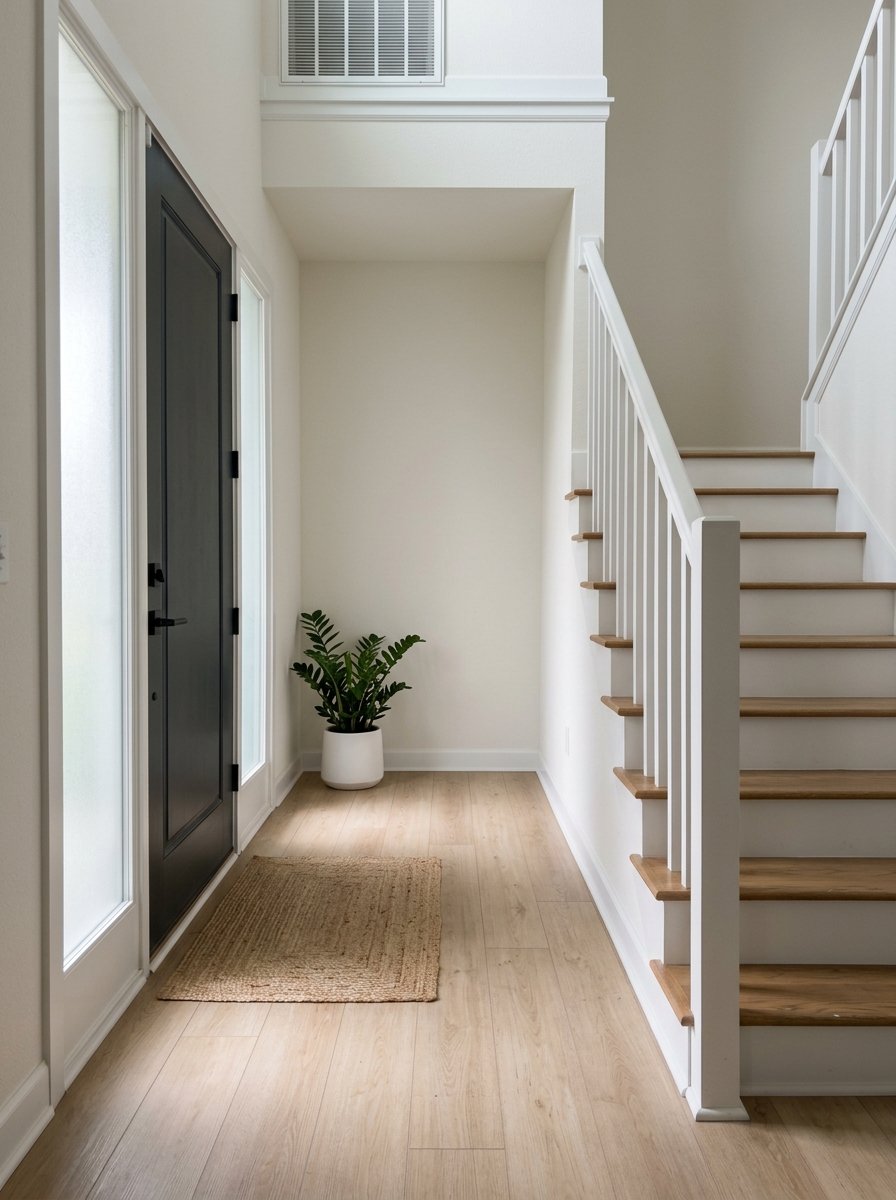
According to NAR’s 2025 staging research, 83% of buyers’ agents said staging made it easier for buyers to picture the property as a future home. The same report found that 29% said staging increased the dollar value offered by 1% to 10%, and 49% of sellers’ agents said staging reduced time on market.
That does not mean every room needs equal attention. The most commonly staged rooms were the:
- Living room
- Primary bedroom
- Dining room
- Kitchen
Those are the spaces buyers tend to notice first, both online and in person.
What we focus on first
Before your home goes live, the most effective prep usually includes:
- Deep cleaning
- Decluttering and simplifying surfaces
- Minor repairs
- Touch-up paint where needed
- Light staging in key living spaces
- Yard and exterior cleanup for curb appeal
The goal is simple: help buyers see the home clearly and confidently. You want your property to feel well cared for, easy to understand, and ready to tour.
Make your online first impression count
Most buyers start online, which means your digital presentation matters just as much as your in-person showing experience.
In NAR’s 2025 buyer and seller report, buyers who used the internet said the most useful listing features were photos (83%), detailed property information (79%), floor plans (57%), and virtual tours (41%). That is a clear signal that your listing launch needs to look polished from the start.
Our playbook treats day-one marketing as a priority, not an afterthought. Clean photography, accurate room descriptions, and clear feature highlights help buyers understand the value of your home before they ever book a showing.
What buyers want to see
When your listing goes live, buyers are usually looking for:
- Bright, clean, high-quality photos
- Honest and detailed remarks
- A clear sense of layout and function
- Notable updates and improvements
- Useful property details without confusion
If your home presents well online, you increase the odds of stronger showing activity and better-qualified interest.
Organize disclosures early
A smooth sale often depends on the work you do before you get an offer. In Chesapeake, early organization is especially important.
The Virginia Department of Professional and Occupational Regulation explains that the Residential Property Disclosure Statement is a notice for buyers to conduct their own due diligence, rather than a warranty of the home’s condition. Buyers are specifically directed toward inspections, surveys, and flood-zone review.
That matters because the City of Chesapeake notes that property-specific details and local obligations can affect planning, while Chesapeake’s flood guidance says most of the city is susceptible to some level of flooding and flood insurance can take 30 days to go into effect. If your property has flood-related history, insurance information, or elevation documentation, it helps to gather that early.
Documents to have ready
Before list day, it is smart to organize:
- Repair and maintenance records
- Permit history for completed work
- Utility or system information when available
- Flood insurance or flood-zone information, if applicable
- Disclosure documents
- Tax and proration details for net planning
This kind of preparation helps you answer buyer questions faster and avoid last-minute scrambling during contract negotiations.
Negotiate with your net in mind
The highest offer is not always the best offer. Your real result depends on price, terms, contingencies, timing, and what you will actually walk away with.
That is why negotiation should not start after offers arrive. It should start before your home is listed, with a plan for timeline goals, likely buyer objections, and your expected net proceeds.
For Chesapeake sellers, taxes are one piece of that planning. The City of Chesapeake Real Estate Assessor’s Office states that the FY 2025-2026 real estate tax rate is $1.01 per $100 of assessed value. Knowing those numbers in advance can help you evaluate offers more clearly.
Terms matter too
When reviewing offers, key factors often include:
- Purchase price
- Financing strength
- Inspection terms
- Requested closing cost help
- Closing date
- Appraisal risk
- Any property-specific disclosure concerns
A strong listing strategy protects your leverage by preparing for these conversations early. The more organized you are before launch, the more confident you can be when it is time to make decisions.
Why a team-based approach helps
Selling a home involves pricing, preparation, marketing, scheduling, paperwork, negotiations, and closing coordination. That is a lot for one person to manage casually.
A team-based model can be especially helpful in a market like Chesapeake, where timing, responsiveness, and presentation all matter. It allows for faster communication, tighter coordination, and a more consistent client experience from list day to closing.
That approach fits how sellers say they want to be served. In the NAR report, 83% of sellers wanted a broad range of services and management of most aspects of the home sale. If you want clear guidance and fewer loose ends, a coordinated process makes a real difference.
What sellers should expect in Chesapeake
If you are planning to sell in Chesapeake, here is the practical version of our playbook:
- Study your micro-market, not just city headlines.
- Set a launch price based on relevant comparables.
- Prepare key rooms that influence buyer perception most.
- Invest in strong listing photos and accurate marketing.
- Organize disclosures, records, and flood-related details early.
- Review offers based on both headline price and net result.
- Stay flexible if the market tells you to adjust.
That last point matters. In NAR’s 2025 report, 36% of sellers reduced their asking price at least once. A smart strategy is not about being rigid. It is about reading the market and responding quickly when needed.
If you want a selling plan that is built for Chesapeake and backed by strong communication, clear advice, and hands-on execution, connect with Christopher Castle for a free consultation and a pricing strategy tailored to your home.
FAQs
How long does it usually take to sell a home in Chesapeake?
- Recent market trackers show a typical range of about 48 to 54 days on market, depending on the source and reporting period.
How much staging do you need before listing a home in Chesapeake?
- The best return often comes from focusing on the living room, primary bedroom, dining room, and kitchen, since those are the rooms most often prioritized in staging research.
What documents should you gather before listing a home in Chesapeake?
- It is smart to have repair records, permit history, disclosure paperwork, flood-related information if applicable, and tax details organized before your home goes live.
How much do home prices vary across Chesapeake neighborhoods?
- Quite a bit. Local market data shows neighborhood and ZIP code median prices can differ by well over $200,000, which is why local comparable sales matter so much.
Why is flood information important when selling a home in Chesapeake?
- Chesapeake says most of the city has some level of flood susceptibility, and flood insurance can take 30 days to begin, so buyers often want that information early in the process.