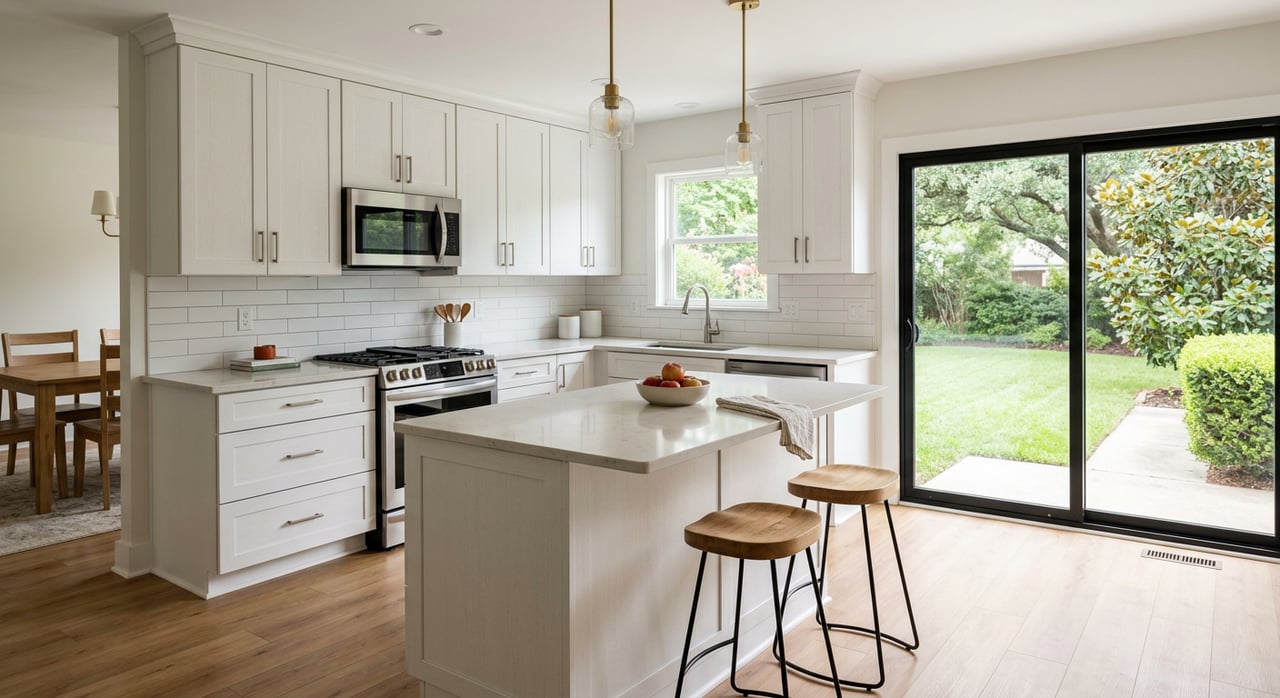
Buying your first home in Virginia Beach should feel exciting, not overwhelming. You might be wondering how much you need to save, what coastal issues to watch, and which loans actually fit your budget and timeline. You are not alone. With clear steps and local insight, you can make confident moves in a market that rewards preparation. In this guide, you will learn current price signals, financing options and assistance, coastal and condo must‑knows, how offers and inspections work here, and a simple checklist to reach the closing table. Let’s dive in.
Virginia Beach market snapshot
Prices and speed vary by neighborhood and property type, but here are helpful citywide signals to frame your search:
- Median listing price was about $469,000 in January 2026. That is a citywide list-price snapshot, not a sale price.
- Median sale price sat near $390,000 in February 2026. The sale‑to‑list ratio hovered around 99.5 percent for many segments, which means winning offers often land close to asking.
- Days on market typically ranged from the low 30s to the low 40s in early 2026. Roughly one third of homes sold above list in recent monthly snapshots.
These facts tell you two things. First, well‑priced homes can move fast. Second, your leverage depends on price tier, property condition, and how complete your offer package is.
What you can buy here
Virginia Beach offers a wide mix of homes. Knowing the tradeoffs helps you plan your budget and timeline.
- Single‑family homes are common across Princess Anne, Kempsville, and Great Neck corridors. Yards and garages are typical, and many neighborhoods feature established streetscapes.
- Townhouses show up in many subdivisions and near key corridors. They often draw first‑time buyers thanks to relatively lower prices and simpler exterior maintenance.
- Condos, including oceanfront buildings and inland complexes, come with HOA or condo fees that can add several hundred dollars per month. Fees usually fund exterior maintenance, insurance for common areas, and amenities. Review the budget, reserves, and any special assessment history before you commit.
- Vacation and short‑term rental zones like Sandbridge have very specific rules. If rental income is part of your plan, study the city’s short‑term rental permit and overlay rules and verify whether a property is eligible or grandfathered in the current ordinance. See the city’s official short‑term rental guidance for permit steps and overlays at the Virginia Beach Planning page for short‑term rentals.
Financing, assistance, and education
Most first‑time buyers here use one of four paths. Your lender will help you compare monthly payment, cash to close, and lifetime cost.
- Conventional loans are common and may require private mortgage insurance if you put less than 20 percent down.
- FHA loans offer flexible credit guidelines and low down payments. They are popular with first‑time buyers.
- VA loans are a major advantage for eligible service members and veterans in Hampton Roads. VA loans can allow 0 percent down with no PMI and include a one‑time funding fee, with exemption rules for some disabled veterans. For steps and required documents, use VA’s official guide on buying with a VA‑backed loan.
- Virginia Housing programs can add real buying power when paired with approved first mortgages. The Virginia Housing Down Payment Assistance Grant is a true grant for eligible buyers using a Virginia Housing first mortgage. Learn more on Virginia Housing’s Down Payment Assistance page and confirm the current income and sales price limits for our area using the official Income and Sales Price Limits flyer.
Virginia Beach does not participate in the regional HRPDC down‑payment program, so there is no city‑run DPA through that channel. The HRPDC materials note that Virginia Beach is not included, which means you should look to Virginia Housing programs and HUD‑approved counseling instead. See the regional program FAQ overview from HRPDC here: Down Payment Assistance Program FAQ.
For free, plain‑language training, sign up for Virginia Housing Homebuyer Education. If you prefer Spanish, Virginia Housing publishes Spanish materials, including the current income and price limits flyer in Spanish.
If you are using a VA loan
Plan your timeline around the Certificate of Eligibility, appraisal, and lender underwriting. VA loans have occupancy rules and specific appraisal standards. Follow the VA’s official step‑by‑step guide to keep your process smooth: VA home‑buying process.
Step‑by‑step: how buying works here
Here is the typical flow from planning to keys in hand, with Virginia‑specific tips.
Get pre‑approved and set your budget. Talk to at least one lender, ask for scenarios with different down payments, and confirm whether they participate in Virginia Housing programs.
Complete homebuyer education if you plan to use Virginia Housing. The course is free and positions you for success. Sign up at Virginia Housing Homebuyer Education.
Tour homes and study micro‑locations. Factor in flood zones, HOA rules, commute patterns, and any short‑term rental overlays that may affect how you can use the property. The city outlines STR permits and overlays at Short‑Term Rentals.
Write a strong, complete offer. Expect to include an earnest money deposit and common contingencies such as financing, appraisal, and inspection. Virginia REALTORS standard forms, including VA or FHA financing addenda, set timelines and expectations. Ask your agent about the updated forms and common timeframe norms summarized by local associations like PWAR’s standard‑forms updates page.
Inspect and negotiate repairs or credits. A general home inspection in Virginia Beach often ranges from the low to mid 200s to about 400 dollars depending on size and extras. See typical ranges at this local overview of home inspection costs. Coastal homes may also warrant wood‑destroying insect checks, HVAC evaluations, and specialty reviews for pools, seawalls, or bulkheads.
Finalize financing and close. Your lender orders the appraisal and issues a Closing Disclosure at least three business days before settlement. In Virginia, you have the right to choose your settlement agent. Review options early and compare fees. Settlement agent rules appear in Title 55.1 of the Code of Virginia.
Most financed closings take about 30 to 45 days from contract to keys, depending on the loan type and documentation. Cash purchases can move faster.
Contingencies and Virginia contract norms
- Financing contingency protects you if loan approval falls through, with distinct language for VA or FHA buyers in the Virginia REALTORS forms.
- Inspection contingency covers your right to inspect and request repairs or credits. Add specialized inspections if the home has a septic system, well, pool, or coastal structures.
- Appraisal contingency lets you address a value shortfall if the appraised value is below contract price.
- HOA and condo document review has defined timelines. Build in enough days to review the resale packet, budget, reserves, insurance certificates, and any recent or upcoming assessments. Recent standard‑form updates have clarified these timelines, so ask your agent to set realistic deadlines.
Coastal and condo considerations you should not skip
Flood risk is part of coastal living and it varies street by street. Here is how to stay ahead of it.
- Check the property’s FEMA flood zone and ask about the seller’s flood insurance history and any mitigation work.
- If the home sits in a Special Flood Hazard Area, your lender will likely require flood insurance. This can change your monthly payment and long‑term cost of ownership.
- The City of Virginia Beach invests in stormwater and flood‑mitigation projects and tracks sea level and recurrent flooding. Review the city’s hazard mitigation progress report to understand the broader context: City Hazard Mitigation and CRS Progress.
If you are pursuing a condo or oceanfront property, pay close attention to:
- Monthly dues and what they cover. Ask for the latest budget, reserve study, and master insurance details.
- Special assessments and major projects. Past or pending assessments can affect your cash needs and resale timing.
- Condo document review deadlines in your contract. Use that time to ask questions before you move forward.
If you are considering short‑term rentals, verify eligibility and permit status directly with the city. Start at the official short‑term rental permit page and confirm overlays, parking, and inspection requirements.
Budgeting your total cost
Your down payment is only one part of the equation. Build a complete picture so you are never surprised at the closing table.
- Closing costs typically run about 2 to 5 percent of the purchase price. These include lender fees, title and settlement charges, prepaid taxes and insurance, and escrow setup. You can sometimes negotiate seller credits, depending on the property and your loan type.
- Inspections usually start in the low to mid 200s and can increase with optional radon, mold, pool, or septic tests. See the local cost overview for home inspections.
- HOA or condo dues add to monthly expenses. In many Virginia Beach buildings, dues are several hundred dollars per month, especially near the ocean. Budget for increases over time and ask about reserves and recent assessments.
- Flood insurance may be required in certain zones. Your insurance agent can quote National Flood Insurance Program or private market options based on the elevation certificate and property specifics.
Quick checklist for first‑time buyers
Pre‑search, weeks 1 to 4
- Pull your credit, set your budget, and get pre‑approved with at least one lender that participates in Virginia Housing if you plan to use assistance.
- Register for free Virginia Housing Homebuyer Education.
Search and tour, ongoing
- Filter by flood zone, HOA or condo rules, commute, and any short‑term rental overlays if rental income matters to you.
- Track days on market and price trends by neighborhood as you refine your target list.
Offer stage
- Decide on contingencies for inspection, financing and appraisal, and HOA or condo document review.
- If using a VA loan, include the correct VA financing contingency language and confirm appraisal timelines with your lender.
Inspections to closing, about 2 to 6 weeks after contract
- Order your general inspection, plus any specialty checks needed for coastal features, septic, or pools.
- Choose your settlement agent. You have that right under Virginia law. See Title 55.1 in the Code of Virginia.
- Review your lender’s Loan Estimate and Closing Disclosure so every dollar is clear before you sign.
After closing
- Keep documentation for any flood‑mitigation work or repairs. Save receipts for insurance and future resale.
- Read HOA or condo rules, set up auto‑pay for dues, and calendar key maintenance.
For military and relocation buyers
Hampton Roads is a major military region, and timing your purchase around PCS orders is common here. If you are eligible for a VA loan, start early on your Certificate of Eligibility and lender pre‑approval. The VA’s official step list for using a VA‑backed mortgage is your best primary guide: VA home‑buying process. If you are new to the area, factor in commute patterns to installations like NAS Oceana or nearby Naval Station Norfolk, and lean on neighborhood tours to compare housing types and HOA or condo requirements.
How our team helps first‑time buyers
You deserve a calm, well‑run process with fast answers. Our team’s service pillars guide every step: Availability when you need tours or offer strategy, Accuracy so your numbers are right the first time, Advocacy that protects your interests during negotiation, and Advice grounded in daily Hampton Roads market experience. We also support bilingual households and can connect you with Virginia Housing education and HUD‑approved counseling resources in English and Spanish.
Ready to buy your first home with a clear plan and a strong advocate in your corner? Schedule a quick consult with Christopher Castle to map your budget, timeline, and next steps.
FAQs
What is a realistic starter‑home price in Virginia Beach in 2026?
- Citywide, median sale price hovered around $390,000 in early 2026, but entry‑level options vary by neighborhood, property type, condition, and HOA or condo fees.
How long does it take to close on a home in Virginia Beach?
- Most financed purchases close in about 30 to 45 days from a signed contract, depending on your loan program, appraisal timing, and underwriting.
Do first‑time buyers in Virginia Beach have down‑payment assistance?
- Yes, Virginia Housing offers a Down Payment Assistance Grant for eligible buyers using a Virginia Housing first mortgage, subject to current income and price limits.
What inspections should I consider for a coastal home?
- Start with a general home inspection, then add wood‑destroying insect, HVAC, and any specialty checks for pools, seawalls, or bulkheads, plus radon or mold testing if desired.
How do HOA or condo fees affect my budget?
- Dues increase your monthly payment and can change your loan approval. Review the association’s budget, reserves, insurance, and any special assessments before you commit.
Can I buy a property for short‑term rentals in Virginia Beach?
- Possibly, but only if the property meets the city’s short‑term rental rules or overlay requirements. Verify permit status and eligibility with the city before you make an offer.