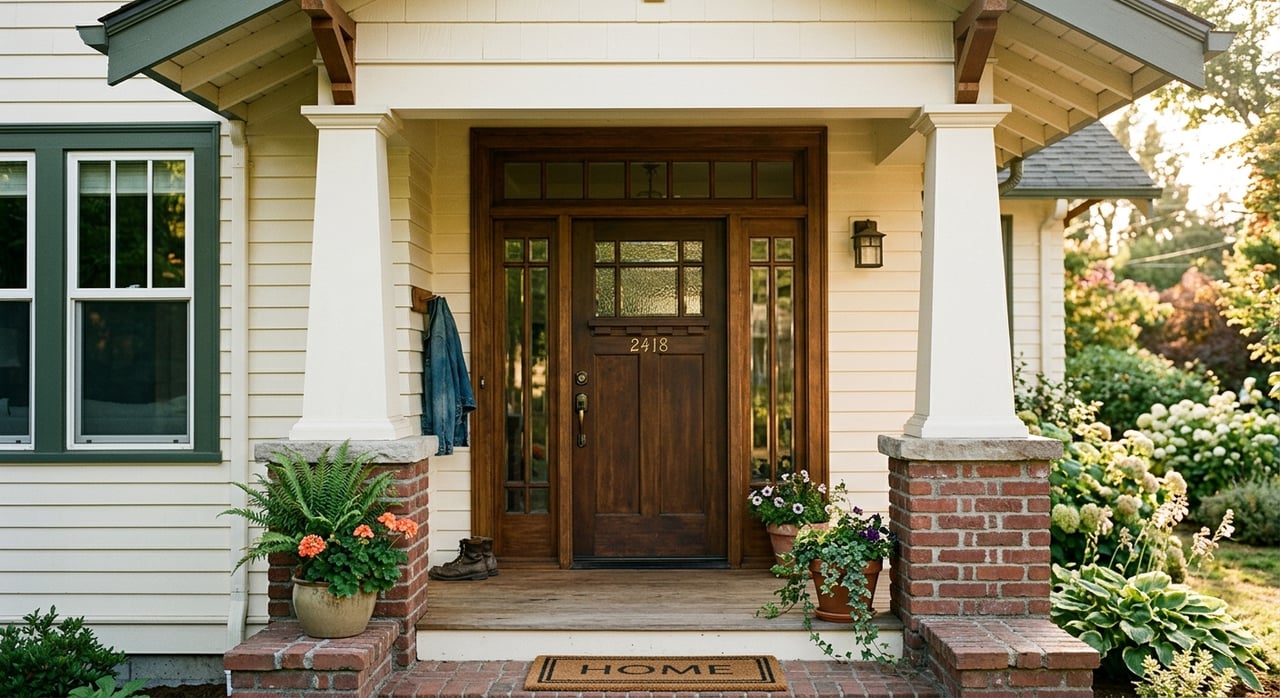
Falling for a Portsmouth character home is easy. The original porches, tall windows, wood details, and historic street presence can make a house feel special the moment you pull up. But charm is only part of the story, and if you want to buy wisely, you need to understand what comes with owning an older home in Portsmouth. This guide walks you through the key things to check before you make an offer, from historic-district rules to inspections, financing, and flood-related costs. Let’s dive in.
What Counts as a Character Home in Portsmouth?
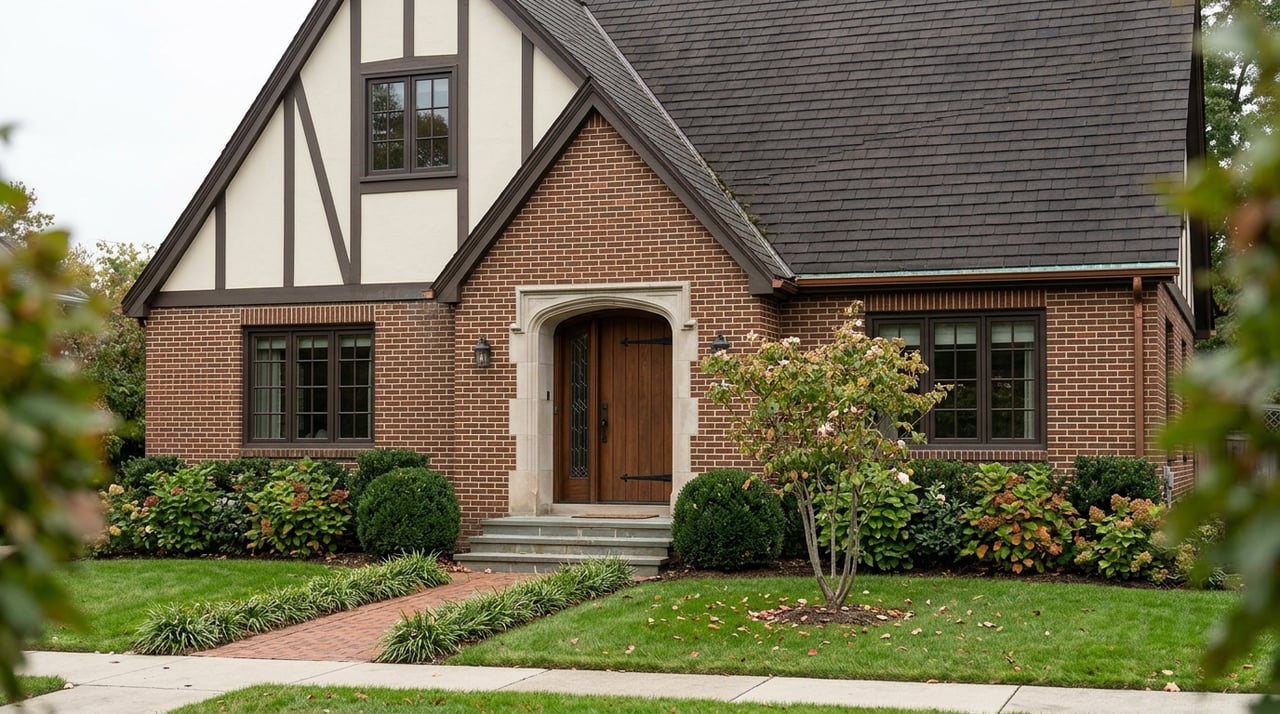
In Portsmouth, a character home can mean several different things depending on the area and the age of the property. The city was formally established in 1752, and its older housing stock reflects that long history along the Elizabeth River.
Portsmouth has five locally designated historic districts: Cradock, Olde Towne, Park View, Port Norfolk, and Truxtun. Each has a different look and building pattern, so two homes that both feel “historic” may come with very different design details, maintenance needs, and renovation expectations.
Olde Towne and downtown styles
Olde Towne is known for tall, narrow Federal and Greek Revival townhouses, often with side-hall plans, above-grade basements, and front entries reached by long wooden steps. You can also see later Italianate, Queen Anne, Colonial Revival, and Shingle Style homes in the area.
Nearby downtown and the High Street corridor include buildings from around the turn of the 20th century. Styles there include Gothic Revival, Greek Revival, Colonial Revival, and Romanesque Revival.
Park View, Port Norfolk, Cradock, and Truxtun
Park View includes Folk Victorian, Queen Anne, Colonial Revival, American Foursquare, and Bungalow homes. Some Queen Anne houses feature wrap-around porches, towers, decorative millwork, and more complex rooflines.
Port Norfolk has many Queen Anne homes, along with American Foursquare, Colonial Revival, and Bungalow examples. Cradock is known for simpler Colonial Revival detailing, gable roofs, modest frame construction, and original materials like shingles, clapboards, and stucco.
Truxtun stands out for its planned design and about 250 homes built from a single set of plans. Many have Jerkinhead roofs, brick foundations, wood-frame construction, and full-width porches.
Historic District Rules Matter Early
One of the biggest mistakes buyers make is assuming a historic home works like any other older house. In Portsmouth’s historic districts, exterior changes may require a Certificate of Appropriateness before other applications can be filed.
That review is handled through the city’s Historic Preservation Commission under local guidelines and state enabling law. The city is also reviewing and updating those district guidelines, which means you should confirm current requirements before planning exterior work.
What this means for you as a buyer
If you are thinking about replacing windows, changing siding, rebuilding a porch, altering the roof, or making visible exterior updates, you may face a second layer of review beyond standard permits. That does not mean improvements are impossible, but it does mean timing, design, and materials matter.
In practical terms, buying a character home in Portsmouth is often more about sensitive updates than full-scale gut renovation. Repairs and improvements usually center on roofs, windows, porches, paint, siding, and moisture control.
Focus on Repair Before Replacement
For historic properties, preserving original features can be an important part of both compliance and long-term value. Guidance for historic buildings emphasizes keeping the existing form, features, and materials when possible, repairing rather than replacing distinctive elements, and making new work compatible with the original building.
That can actually help you ask better questions during your showing period and inspection window. Instead of assuming every older feature needs to be replaced, look at whether it can be repaired, weatherized, stabilized, or updated in place.
Ask these three questions often
As you evaluate a Portsmouth character home, keep coming back to these questions:
- Can this item be repaired rather than replaced?
- Does this work need a permit or a Certificate of Appropriateness?
- Will this issue affect financing, insurance, or closing?
Those questions can save you time, help you budget more accurately, and keep you from underestimating the true cost of ownership.
Inspection Priorities for Older Portsmouth Homes
Older homes can be incredibly rewarding to own, but they also need a more focused inspection strategy. In Portsmouth, the most important issues often involve moisture, the exterior envelope, and systems that may affect both safety and financing.
Roof, flashing, and attic ventilation
Roof condition deserves close attention in any older home, especially one with distinctive historic rooflines. Roof configuration is part of a property’s character, and improper changes can affect both appearance and function.
You will want your inspector to look for signs of moisture penetration, aging materials, flashing problems, and attic venting issues. Poor ventilation can contribute to hidden damage in roof sheathing and attic spaces.
Windows, doors, and exterior condition
Historic windows are often more repairable than buyers expect. Before you assume replacement is necessary, look for rot, failed glazing, drafts, sticking sashes, and signs of water intrusion.
The same goes for doors, trim, siding, and porch elements. These components affect comfort, energy performance, and preservation compliance, so they should be reviewed carefully.
Moisture, drainage, crawlspace, and flood exposure
Moisture control is a major issue in older homes, and it is especially important in Portsmouth. Local flooding can result from heavy rain, coastal storms, storm surge, and overflow of water systems.
Your inspection due diligence should include grading, drainage paths, crawlspace conditions, signs of standing water, and any visible moisture damage. Even if a property is not in a high-risk mapped flood area, that does not mean flood exposure is zero.
Heating, plumbing, electrical, sanitation, and pests
Portsmouth code enforcement focuses on basic property standards such as structural safety, fire safety, heating, ventilation, sanitation, protection from the elements, and infestation. For buyers, that means core systems are not just maintenance items. They can directly affect financing and negotiation.
If you are using VA financing, wood-destroying insect information is required statewide in Virginia. So termite or pest concerns should be treated as a serious part of your inspection process, not an afterthought.
Flood Risk Can Change the Math
Flood risk is one of the most important affordability factors to review before buying in Portsmouth. Homeowners insurance typically does not cover flood damage, and flood insurance is generally a separate policy.
For homes in Special Flood Hazard Areas with mortgages from government-backed lenders, flood insurance may be required. Portsmouth also notes that more than 20 percent of flood claims come from properties outside the high-risk zone, which is a good reminder that flood risk is broader than one map line.
Why timing matters
Flood insurance generally takes about 30 days to become effective. If flood coverage will be required for your loan, or if you want it for protection even when not required, it is smart to address this early in the contract period.
This is also where a strong local agent can help you compare homes more realistically. A lower purchase price does not always mean a lower monthly cost if flood exposure changes your insurance bill.
Financing a Character Home in Portsmouth
Financing an older home is possible, but the loan type can shape your options. Some homes will qualify easily with standard financing, while others may need repairs completed before closing or may be a better fit for a renovation loan.
VA loans
VA-backed loans are especially relevant in Portsmouth and the broader Hampton Roads market. The VA appraiser checks value and minimum property requirements, but the appraisal is not the same as a home inspection.
If the appraisal comes in low, buyers may be able to request a reconsideration of value, renegotiate the price, or pay the difference. VA contracts also include the VA escape clause, which is an important protection to understand.
FHA and repair-related issues
If you are using a standard FHA loan, the property generally needs to be safe, sound, and secure. In older homes, that can lead to required repairs before closing if there are condition issues.
For homes that need more work, FHA 203(k) financing may be worth discussing with your lender. This program lets qualified buyers finance the purchase or refinance plus rehabilitation in a single loan, with options for both larger and smaller repair scopes.
Conventional renovation options
Some buyers may also explore conventional renovation financing. Fannie Mae’s HomeStyle Renovation mortgage allows financing for improvements such as kitchen and bathroom updates, window upgrades, and HVAC replacement, as long as the work complies with state and local laws and building codes.
That can be useful if you love the location and architecture of a Portsmouth home but want a clearer path for planned updates after closing.
Tax Relief and Incentive Possibilities
For some buyers, there may be financial upside tied to rehabilitation work. Portsmouth notes that some substantially rehabilitated properties may qualify for local tax relief.
Some certified historic structures may also be eligible for rehabilitation tax credits through the Virginia Department of Historic Resources. These programs are not automatic, so if a home appears to be a fit, it is worth asking questions early and confirming eligibility details before you count on any savings.
A Smart Buying Strategy for Portsmouth Character Homes
The best way to buy a character home is to balance emotion with process. It is fine to love the original details and the feel of the house, but you also need a clean plan for inspections, repair budgeting, permit questions, financing, and insurance.
A strong offer strategy should account for both immediate condition and long-term ownership. In a market like Portsmouth, that often means looking beyond cosmetic updates and focusing on the issues that most affect closing, safety, and future flexibility.
Your practical next steps
If you are considering a Portsmouth character home, make sure you:
- Confirm whether the property is in a local historic district
- Ask what exterior work has been done and whether approvals were required
- Review roof, moisture, crawlspace, and window condition carefully
- Check flood-zone status and estimate insurance costs early
- Match your financing to the home’s true condition
- Build room in your budget for repairs that preserve the home’s character
When you do that well, you can buy with confidence and avoid the surprises that turn a dream home into a stressful project.
If you want expert guidance on buying an older home in Portsmouth, scheduling showings, or building a smart offer around condition, financing, and negotiation, connect with Chris Castle Enterprises LLC. The Castle Team brings the availability, accuracy, advocacy, and advice you need to move with clarity.
FAQs
What is a character home in Portsmouth, VA?
- In Portsmouth, a character home can include anything from 18th- and 19th-century townhouses to early-20th-century Colonial Revival, bungalow-era, and planned worker-housing examples, especially in districts like Olde Towne, Park View, Port Norfolk, Cradock, and Truxtun.
Do Portsmouth historic homes need special approval for renovations?
- Yes, homes in Portsmouth’s historic districts often need a Certificate of Appropriateness for exterior changes before other applications can be filed, in addition to any required permits.
What should you inspect first in an older Portsmouth home?
- Priority items include the roof, flashing, attic ventilation, windows, doors, moisture issues, drainage, crawlspace condition, flood exposure, and core systems like heating, plumbing, and electrical.
Can you use a VA loan to buy a Portsmouth character home?
- Yes, but the home still needs to meet VA minimum property requirements, and Virginia VA loans require wood-destroying insect information statewide.
Does flood insurance matter when buying a home in Portsmouth?
- Yes, flood risk can affect both affordability and loan approval, and flood damage is typically not covered by standard homeowners insurance.
Are there tax incentives for rehabilitating a historic home in Portsmouth?
- Some substantially rehabilitated properties may qualify for local tax relief, and some certified historic structures may be eligible for rehabilitation tax credits through the Virginia Department of Historic Resources.